Looking Back at Artsemester
Winter 2025/2026
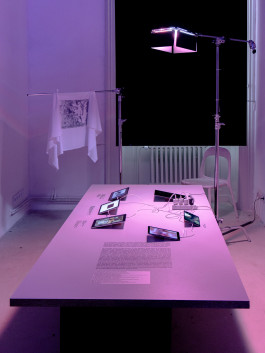
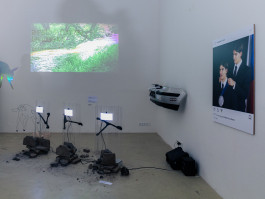
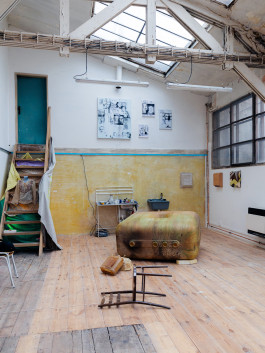
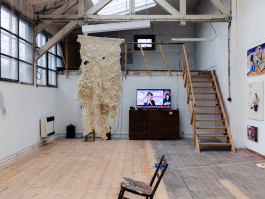
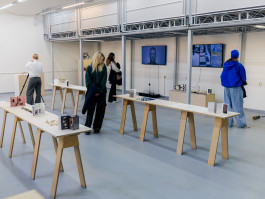
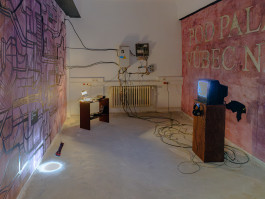
In mid-December 2025, the doors of the individual studios in the historic UMPRUM building on Palach Square opened to the public for the last time for many years. Artsemester Winter 2025/26 marked both the culmination of the celebrations of the academy’s 140th anniversary and, above all, a major farewell to its historic home. The final goodbye—alongside the ceremonial start of the demolition marked by the rector striking the building with a hammer—was accompanied by a laser mapping projection on the school’s façade, symbolically linking the building’s past with its future after several years of reconstruction.
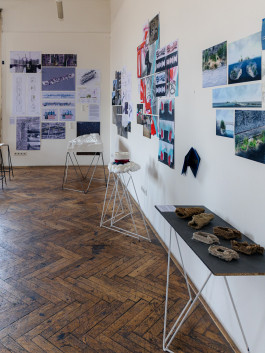
Studio of Architecture I


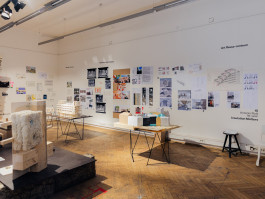
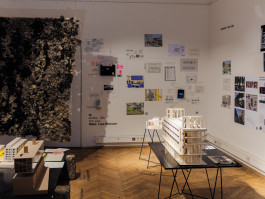
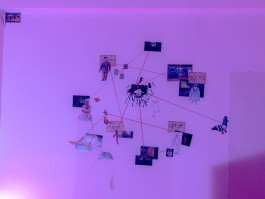
During the winter semester, the Studio focused on the theme of isolation—not only in the sense of physical separation, but as a broader architectural and social principle. The resulting projects ranged from concrete proposals for residential structures to analytical studies of environments that either produce isolation or, conversely, disrupt it. The final semester projects subsequently focused on the material dimension of the designs. Students examined the origin, lifespan, and impacts of the materials used.
Studio of Architecture II


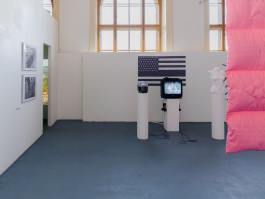
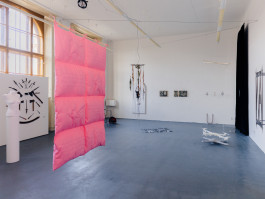
The Studio of Architecture II semester was built around exploring entertainment as a field for developing critical thinking. The theme Critical Fun opened space for playful yet analytical approaches to architecture. Students worked with irony, exaggeration, and absurdity as tools that make it possible to question established typologies and expectations associated with architectural design. The final projects evolved into a diverse collection of “typologies of fun.” Installations, models, and audiovisual outputs examined how joy, play, or sensory experience can function as serious architectural themes and how they can be used to formulate a critique of the contemporary environment.
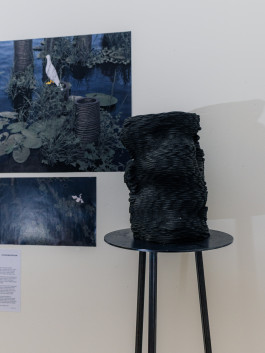
Studio of Architecture III


The Studio of Architecture III turned its attention to the waterscape and to rivers as complex ecological systems. Students worked with the Vltava and its confluences within the Prague territory, examining the relationships between the city, the landscape, and natural processes. Architecture here did not appear as a dominant intervention, but rather as a subtle infrastructure that adapts to the variability of water. The outputs included proposals for wetlands, floodplain areas, and small structures that respond to seasonal changes and climatic fluctuations.
Studio of Architecture IV


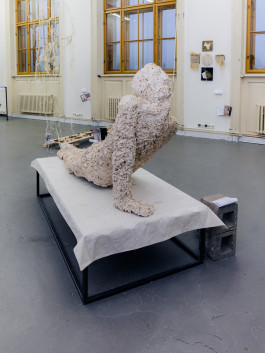
The semester brief in the Studio of Architecture IV was based on a specific material—spoil generated during the construction of Metro Line D. Students examined how this byproduct of large-scale infrastructure could be reused and transformed into a viable construction resource.
Studio of Industrial Design


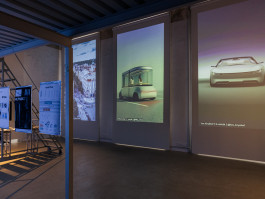
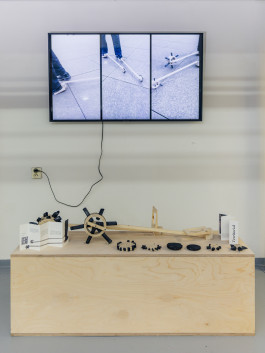
Final projects in the Studio of Industrial Design focused on the theme of mobility and tourism in Prague. Proposals for vehicles and related objects addressed not only functionality, but also the city’s visual identity and the ways in which visitors move through it.
Studio of Furniture and Interior Design


The main theme was large-format 3D printing and its possibilities in the field of furniture and interior elements, developed in collaboration with DAKACOM and Martin Žampach. The final projects drew inspiration from insights gained during a study trip to Seoul.
Studio of Product Design


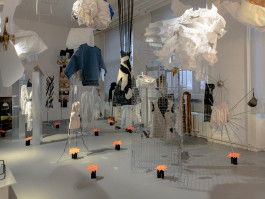
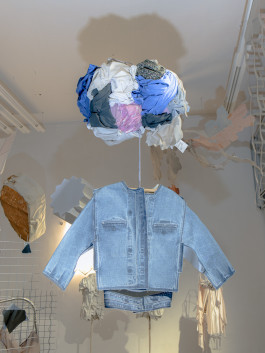
The Studio of Product Design explored the space between experimentation and everyday usability. Students designed both play elements and small-scale products for young children. The final projects focused on methods of presenting garments in space. Proposals for dress forms and display stands became studies of the relationship between the body and the object.
Studio of Fine Arts I


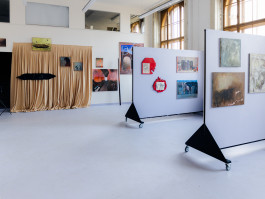
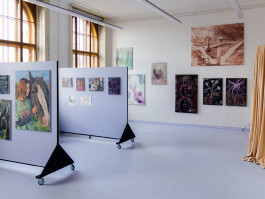
Students of the Studio of Fine Arts I worked with the theme of survival, which became a metaphor both for artistic practice and for the institutional and personal conditions of study. They engaged with formats such as reality shows, competitions, and performative situations.
Studio of Fine Arts II


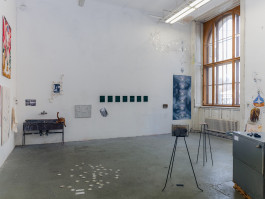
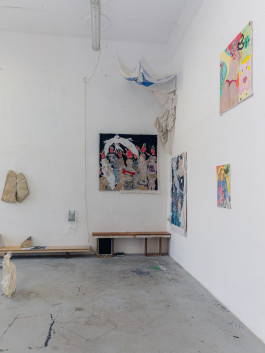
The assignment was open-ended, allowing students to focus on their own long-term themes. The exhibition thus presented a diverse range of approaches.
Studio of Fine Arts III


The theme of the Studio of Fine Arts III was worlds as media. Students created their own fictional and speculative realities, exploring the narratives, rules, and images that shape them. The final project period was devoted to the further development of individual projects.
Studio of Fine Arts IV


Students of the Studio of Fine Arts IV focused on working with text, image, and digital archives. The final projects explored diverse approaches reflecting contemporary art through the use of the technical image.
Visiting Artist Studio


The studio led by visiting artist Dani d’Emilia worked with an open assignment that emphasized process, sensitivity, and relationality. Students moved between individual and collective forms of work, exploring possibilities for radically gentle, caring, and embodied creative strategies. The resulting projects often extended beyond traditional formats of artworks, functioning instead as situations, gestures, or temporary communities.
Studio of Glass


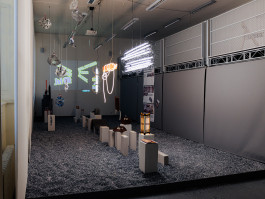
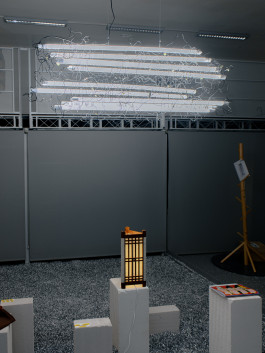
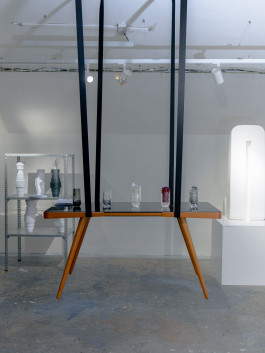
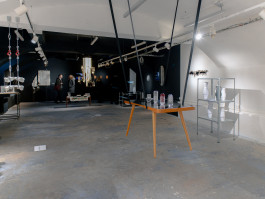
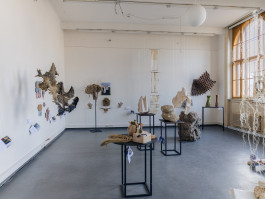
The Glass Studio focused on peripheral themes and the more subtle qualities of the material. Students approached glass not only within the context of its craft tradition, but also as a medium for personal and conceptual expression. The projects ranged from objects and installations to spatial gestures, with particular attention given to modes of presentation and the relationship between the work and the exhibition space.
Studio of Ceramics and Porcelain


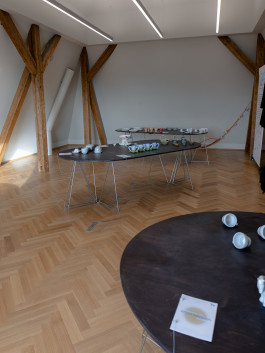
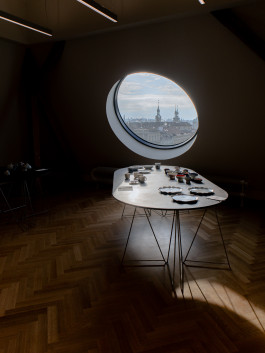
The Studio of Ceramics and Porcelain focused on the design of a children’s dining set. The functional assignment was combined with playfulness, ergonomics, and material experimentation, with collaboration with industry practice—porcelain manufacturer G. Benedikt—playing an important role.
Studio of Concept – Object – Meaning (K.O.V.)


The Studio of Concept – Object – Meaning (K.O.V.) addressed the theme of the body and its boundaries. The works took the form of both wearable and spatial objects that reflect the relationship between the physical body and conditions of constraint, protection, and freedom of movement.
Studio of Fashion Design


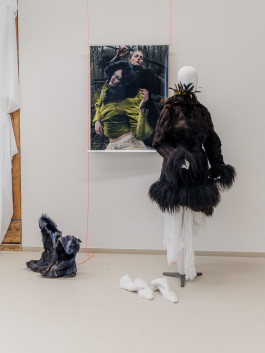
Within the Ready-to-weird assignment, students of the Studio of Fashion Design explored current internet microtrends, visual aesthetics, and shifting modes of self-expression, while the theme reflected questions of online space and personal identity. The final projects were developed in collaboration with Studio of Photography II, which documented the semester’s work.
Studio of Fashion and Footwear Design


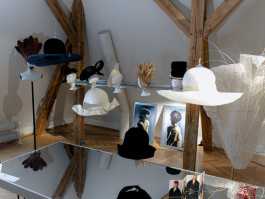
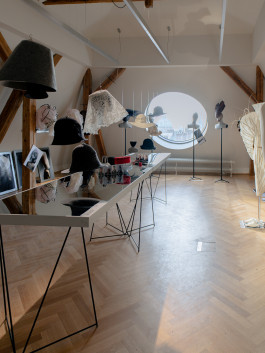
The Artpiece – Headpiece assignment, developed in collaboration with the company TONAK, drew inspiration from architecture not only as a physical structure but also as a concept of space. The resulting works emerged at the intersection of garment and wearable object, engaging deeply with the body of the wearer.
Studio of Textile Design


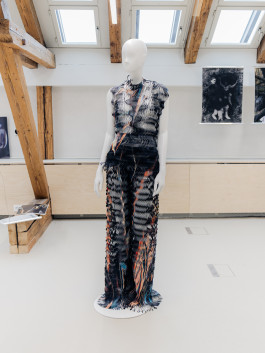
The Studio of Textile Design worked with hemp as a potential material of the future. Students experimented with the fibers and sought to propose new approaches to their use.
Department of Graphic Design:
collaborative project


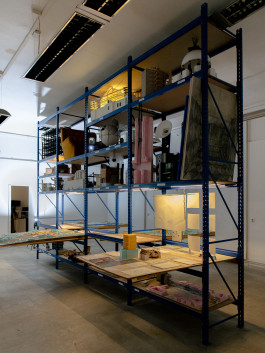
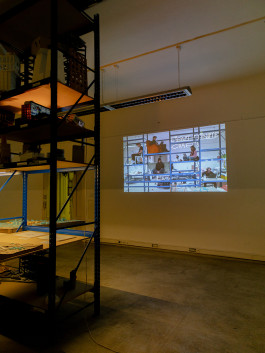
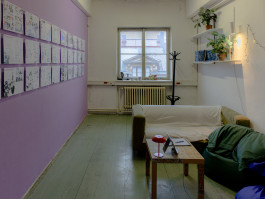
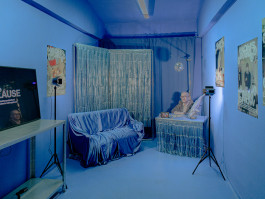
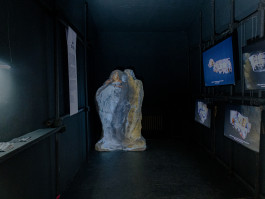
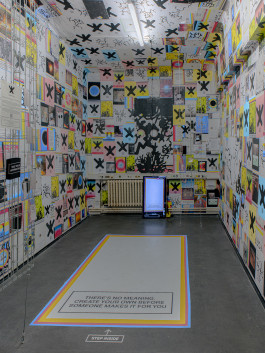
The studios of Illustration, Graphic Design, Typography, Animation and Film, Photography, and Digital Technologies came together in a collaborative project exploring the format of a series. The result was a complex audiovisual work combining film, installation, graphics, and interactive elements on the theme of “Series: Docu-Mystery from the Department of Graphic Design”.
Studio of Type Design and Typography
Studio of Graphic Design and Visual Communications
Studio of Animation and Film
Studio of Graphic Design and New Media
Studio of Photography II
Studio of Design and Digital Technologies
Studio of Illustration and Graphics
Written by: Karla Kislingerová
Photo: Radka Čejdíková
Looking Back at Artsemester
Winter 2025/2026
In mid-December 2025, the doors of the individual studios in the historic UMPRUM building on Palach Square opened to the public for the last time for many years. Artsemester Winter 2025/26 marked both the culmination of the celebrations of the academy’s 140th anniversary and, above all, a major farewell to its historic home. The final goodbye—alongside the ceremonial start of the demolition marked by the rector striking the building with a hammer—was accompanied by a laser mapping projection on the school’s façade, symbolically linking the building’s past with its future after several years of reconstruction.
Studio of Architecture I


During the winter semester, the Studio focused on the theme of isolation—not only in the sense of physical separation, but as a broader architectural and social principle. The resulting projects ranged from concrete proposals for residential structures to analytical studies of environments that either produce isolation or, conversely, disrupt it. The final semester projects subsequently focused on the material dimension of the designs. Students examined the origin, lifespan, and impacts of the materials used.
Studio of Architecture II


The Studio of Architecture II semester was built around exploring entertainment as a field for developing critical thinking. The theme Critical Fun opened space for playful yet analytical approaches to architecture. Students worked with irony, exaggeration, and absurdity as tools that make it possible to question established typologies and expectations associated with architectural design. The final projects evolved into a diverse collection of “typologies of fun.” Installations, models, and audiovisual outputs examined how joy, play, or sensory experience can function as serious architectural themes and how they can be used to formulate a critique of the contemporary environment.
Studio of Architecture III


The Studio of Architecture III turned its attention to the waterscape and to rivers as complex ecological systems. Students worked with the Vltava and its confluences within the Prague territory, examining the relationships between the city, the landscape, and natural processes. Architecture here did not appear as a dominant intervention, but rather as a subtle infrastructure that adapts to the variability of water. The outputs included proposals for wetlands, floodplain areas, and small structures that respond to seasonal changes and climatic fluctuations.
Studio of Architecture IV


The semester brief in the Studio of Architecture IV was based on a specific material—spoil generated during the construction of Metro Line D. Students examined how this byproduct of large-scale infrastructure could be reused and transformed into a viable construction resource.
Studio of Industrial Design


Final projects in the Studio of Industrial Design focused on the theme of mobility and tourism in Prague. Proposals for vehicles and related objects addressed not only functionality, but also the city’s visual identity and the ways in which visitors move through it.
Studio of Furniture and Interior Design


The main theme was large-format 3D printing and its possibilities in the field of furniture and interior elements, developed in collaboration with DAKACOM and Martin Žampach. The final projects drew inspiration from insights gained during a study trip to Seoul.
Studio of Product Design


The Studio of Product Design explored the space between experimentation and everyday usability. Students designed both play elements and small-scale products for young children. The final projects focused on methods of presenting garments in space. Proposals for dress forms and display stands became studies of the relationship between the body and the object.
Studio of Fine Arts I


Students of the Studio of Fine Arts I worked with the theme of survival, which became a metaphor both for artistic practice and for the institutional and personal conditions of study. They engaged with formats such as reality shows, competitions, and performative situations.
Studio of Fine Arts II


The assignment was open-ended, allowing students to focus on their own long-term themes. The exhibition thus presented a diverse range of approaches.
Studio of Fine Arts III


The theme of the Studio of Fine Arts III was worlds as media. Students created their own fictional and speculative realities, exploring the narratives, rules, and images that shape them. The final project period was devoted to the further development of individual projects.
Studio of Fine Arts IV


Students of the Studio of Fine Arts IV focused on working with text, image, and digital archives. The final projects explored diverse approaches reflecting contemporary art through the use of the technical image.
Visiting Artist Studio


The studio led by visiting artist Dani d’Emilia worked with an open assignment that emphasized process, sensitivity, and relationality. Students moved between individual and collective forms of work, exploring possibilities for radically gentle, caring, and embodied creative strategies. The resulting projects often extended beyond traditional formats of artworks, functioning instead as situations, gestures, or temporary communities.
Studio of Glass


The Glass Studio focused on peripheral themes and the more subtle qualities of the material. Students approached glass not only within the context of its craft tradition, but also as a medium for personal and conceptual expression. The projects ranged from objects and installations to spatial gestures, with particular attention given to modes of presentation and the relationship between the work and the exhibition space.
Studio of Ceramics and Porcelain


The Studio of Ceramics and Porcelain focused on the design of a children’s dining set. The functional assignment was combined with playfulness, ergonomics, and material experimentation, with collaboration with industry practice—porcelain manufacturer G. Benedikt—playing an important role.
Studio of Concept – Object – Meaning (K.O.V.)


The Studio of Concept – Object – Meaning (K.O.V.) addressed the theme of the body and its boundaries. The works took the form of both wearable and spatial objects that reflect the relationship between the physical body and conditions of constraint, protection, and freedom of movement.
Studio of Fashion Design


Within the Ready-to-weird assignment, students of the Studio of Fashion Design explored current internet microtrends, visual aesthetics, and shifting modes of self-expression, while the theme reflected questions of online space and personal identity. The final projects were developed in collaboration with Studio of Photography II, which documented the semester’s work.
Studio of Fashion and Footwear Design


The Artpiece – Headpiece assignment, developed in collaboration with the company TONAK, drew inspiration from architecture not only as a physical structure but also as a concept of space. The resulting works emerged at the intersection of garment and wearable object, engaging deeply with the body of the wearer.
Studio of Textile Design


The Studio of Textile Design worked with hemp as a potential material of the future. Students experimented with the fibers and sought to propose new approaches to their use.
Department of Graphic Design:
collaborative project


The studios of Illustration, Graphic Design, Typography, Animation and Film, Photography, and Digital Technologies came together in a collaborative project exploring the format of a series. The result was a complex audiovisual work combining film, installation, graphics, and interactive elements on the theme of “Series: Docu-Mystery from the Department of Graphic Design”.
Studio of Type Design and Typography
Studio of Graphic Design and Visual Communications
Studio of Animation and Film
Studio of Graphic Design and New Media
Studio of Photography II
Studio of Design and Digital Technologies
Studio of Illustration and Graphics
Written by: Karla Kislingerová
Photo: Radka Čejdíková